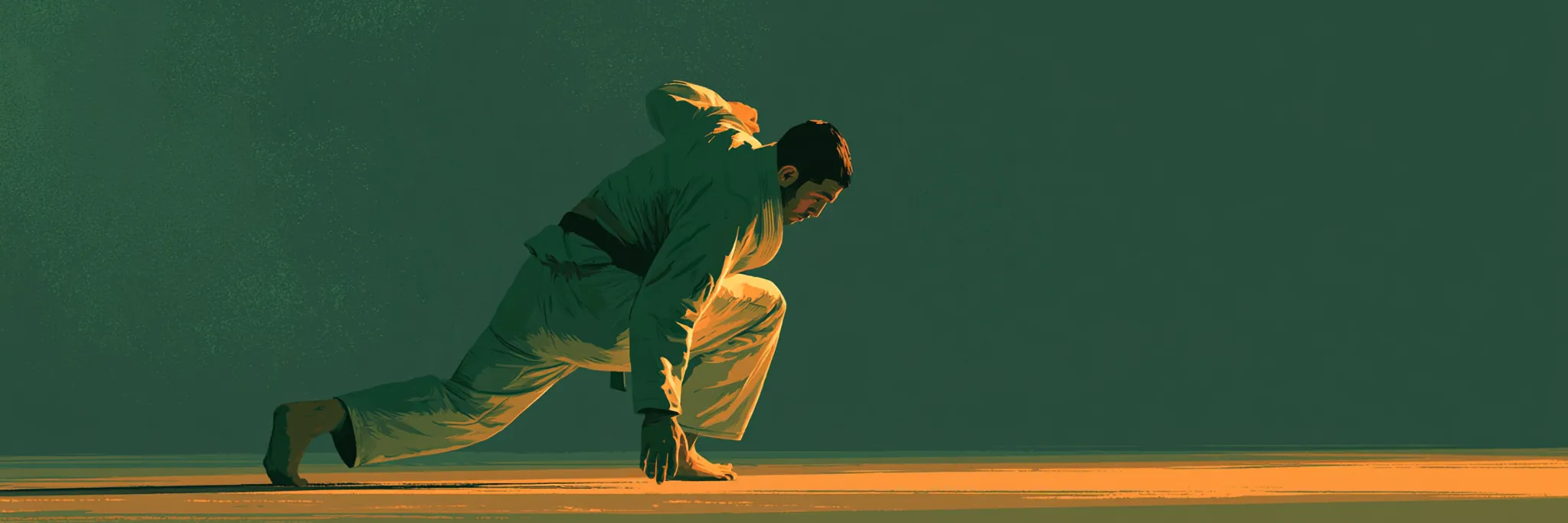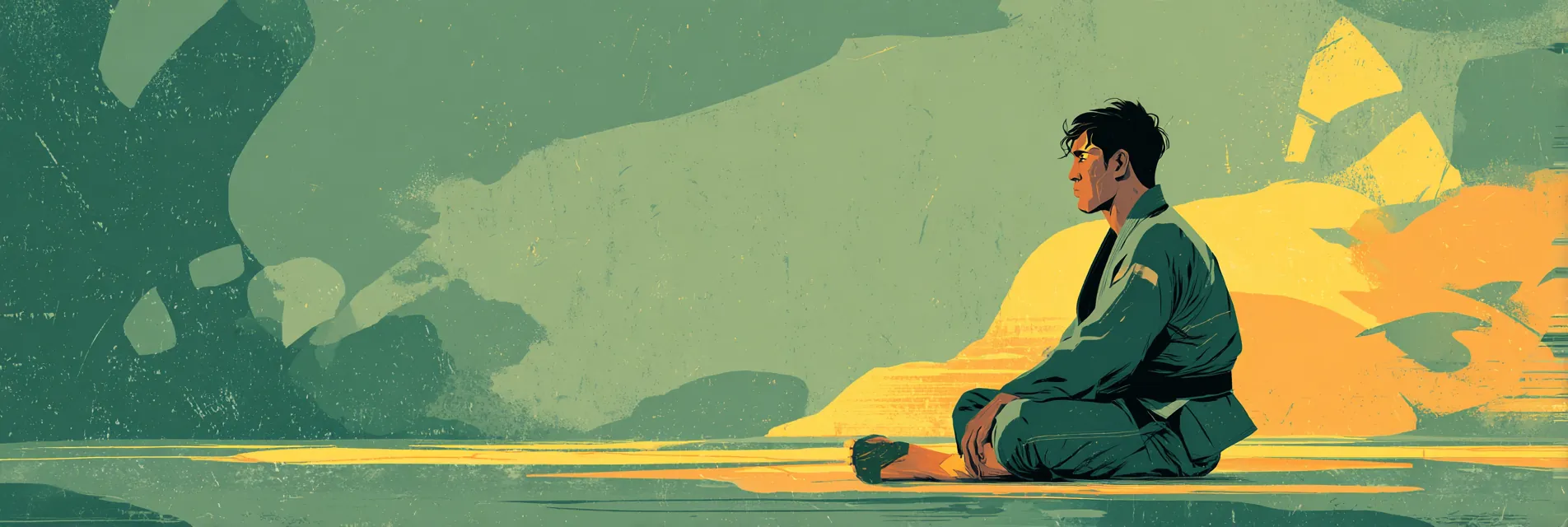
BJJ athlete in recovery seated on the mat

YOUR COMEBACK HAS A ROADMAP.

Get back on the mats

Your injury. A clear recovery plan. Built for jiu-jitsu athletes.

You rested. You sat out rounds. You searched for solutions.

But you're still guessing whether you're ready or risking reinjury.

What if you actually knew?
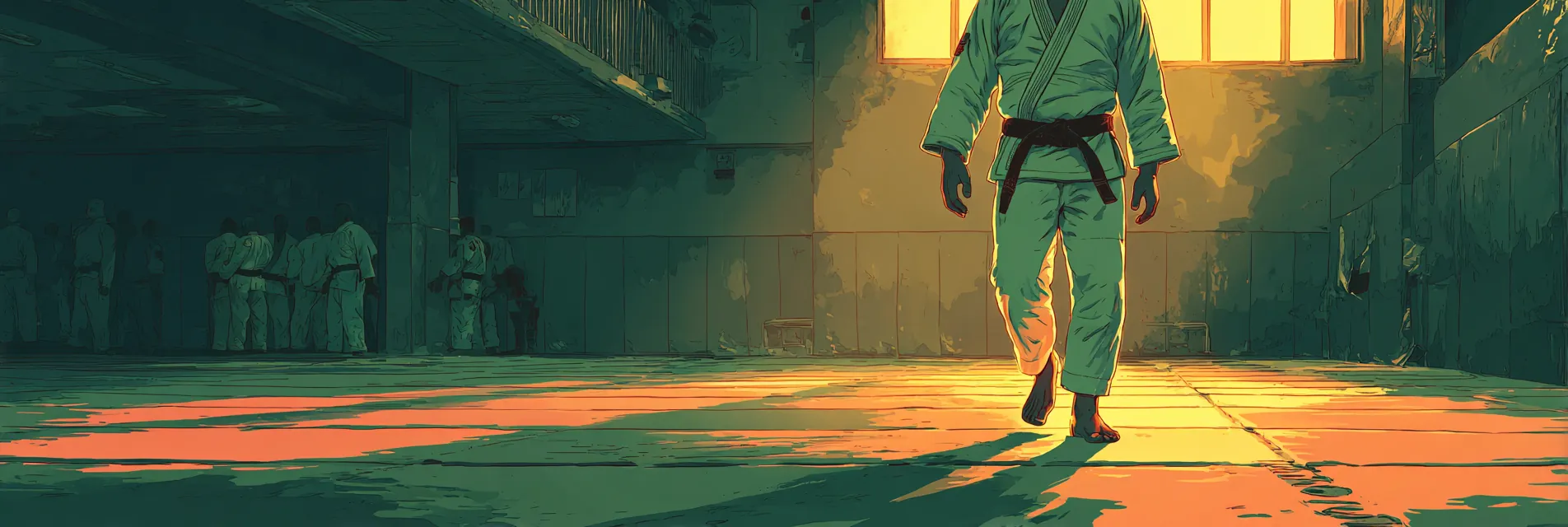
BJJ athlete doing resistance band rehabilitation work

A Recovery Roadmap Built for the Way You Train

01

Tell us what happened

Select your injury, answer a few simple questions. Two minutes. Just tell us where it hurts and how long ago it happened.

02

Your roadmap is ready

Phase by phase. Week by week. Written in BJJ language, built around your injury, your grade, your game.

03

Check in. Move forward.

A quick weekly check-in. Tell us how you're feeling — your plan adjusts.

BJJ athlete in explosive training movement

The missing layer between your PT and the mats.

Built for your injury. Not injuries in general.

Your grade. Your timeline. Your starting point. A path that fits where you actually are.

Stop guessing. Start knowing.

Each week tells you what to drill, what to skip, and why. You always know exactly where you stand.

Injured doesn't mean stopped.

RollReady is built to keep you moving. Recover and progress. At the same time.

A roadmap that moves with you.

Weekly check-ins track how you're healing. Ahead of schedule or behind — your plan adjusts.

INSIDE YOUR ROADMAP

This is what knowing looks like.

YOUR ROADMAP IS READY
🦵 Knee MCL Sprain
Grade 2 · 8 week roadmap
1
2
3
4
Rest & ProtectWk 1–2
MobilityWk 3–5
StrengthWk 6–7
ReturnWk 8
Full Return 
FOR YOU

Your MCL needs another week of controlled loading before it's ready for rotational stress. That means guard pulling and scrambles stay off the table for now — but top position work, passing concepts, and single-leg stability drills are all on. Focus on building the base you'll need when guard comes back.
🦵 Knee MCL Grade 2 Week 2
WEEK 2 · PHASE 1 — PROTECT
Settle and Stabilize
✅ Exercises & Rehab
Quad sets · Terminal knee extension · Heel slides
+ 3 sets each — focus on pain-free range, not load
🚫 Movement Restrictions
No guard pulls · No leg entanglements
+ more specific guidance inside
🌱 Signs You're Healing
Swelling reducing day to day
+ more markers inside
🏁 Milestone
Full weight-bearing with no swelling after activity
+ full criteria inside

The honest answer about everything else you've tried.

You've already tried most of this.

Searching online gives you information. AI gives you answers. Your PT gives you expertise. They're all useful — but they're all incomplete.

None of them train jiu-jitsu.

Not a replacement for any of them. The missing piece that ties them all together.
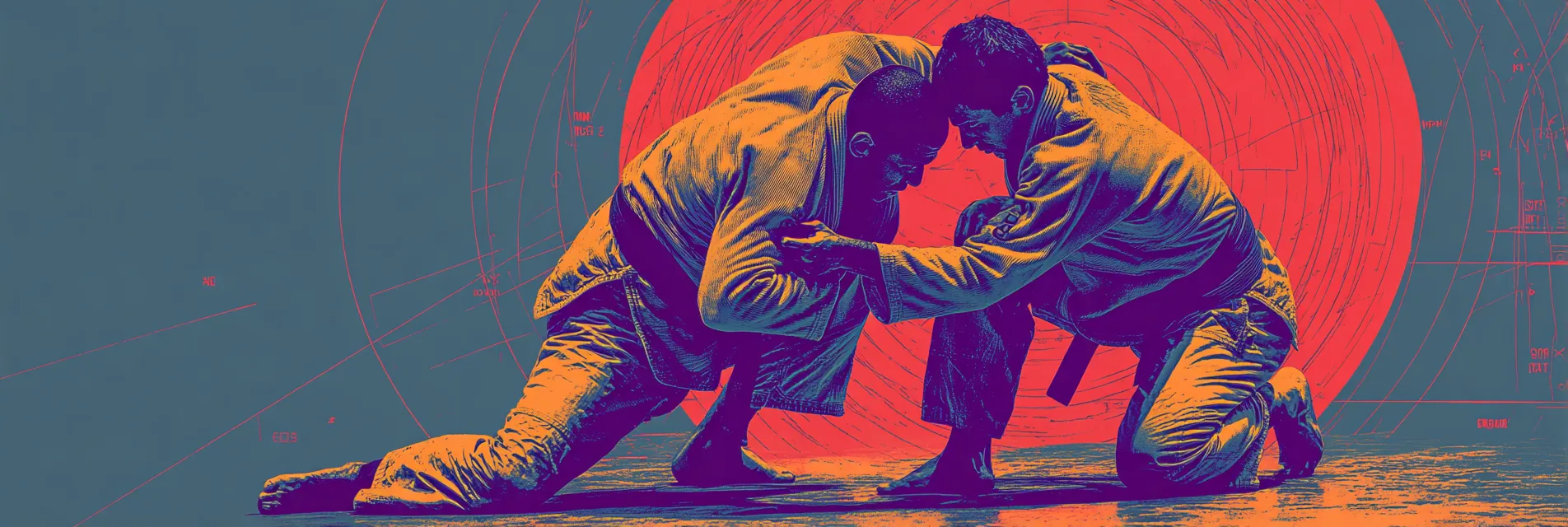
BJJ athletes in partner drilling session

Most common BJJ injuries

About This Injury

The knee is the most commonly injured joint in BJJ — guard play, leg locks, and passing all place significant rotational stress on the MCL, ACL, and meniscus.

Timelines
MCL G1:2–4 wks MCL G2:6–10 wks MCL G3:3–6 mo ACL:6–12 mo Meniscus:4–16 wks
Recovery Phases

5 phases — Protect through Full Return. Each phase mapped to specific BJJ positions and training modifications.

Common Questions
Can I train with a knee injury?

Modified training is often possible within 1–2 weeks — top position drilling and passing concepts don't load the MCL. Guard work and leg entanglements return progressively through phases 3–4.
See my Knee roadmap →
About This Injury

Shoulder injuries in BJJ typically come from kimuras, Americanas, armbars, and collar-tie scrambles — the joint is repeatedly loaded at end range, exactly where it's most vulnerable.

Timelines
Subluxation G1:4–6 wks Subluxation G2:8–14 wks AC Joint:3–8 wks Rotator Cuff:6–20 wks
Recovery Phases

4 phases — Protect through Full Return. Collar grip conditioning and arm-based techniques reintroduce progressively.

Common Questions
Can I still drill after a shoulder subluxation?

Lower-body work, leg lock theory, and guard retention are often accessible within the first 1–2 weeks. Arm-based techniques reintroduce progressively through phases 2–3.
See my Shoulder roadmap →
About This Injury

Elbow hyperextensions from armbars are among the most common acute BJJ injuries. Outer and inner elbow tendon pain also builds up gradually from collar grips, sleeve control, and gripping-heavy guard work.

Timelines
Hyperext G1:1–3 wks Hyperext G2:4–8 wks Outer Tendon:6–16 wks Inner Tendon:6–16 wks Bicep Tendon:4–6 mo
Recovery Phases

4 phases — Protect through Full Return. Grip conditioning and collar grip training reintroduce progressively through phases 2–3.

Common Questions
Can I train with outer elbow tendon pain from gripping?

Modified training is often possible throughout recovery — reduce gripping volume, avoid spider and lasso guard, and progressively reload the tendon through the phases.
See my Elbow roadmap →
About This Injury

Finger injuries are the most common overuse injury in jiu-jitsu. Finger pulley tears — the ring-shaped ligaments that keep the tendons in place — get hurt from heavy collar gripping. Most grapplers train through them too long, turning a minor tweak into a full rupture.

Timelines
Pulley G1:2–4 wks Pulley G2:4–8 wks Pulley G3:8–16 wks Pulley G4:4–6 mo Collateral:3–10 wks
Recovery Phases

4 phases — Protect through Full Return. Guard styles and grip controls mapped to each phase so you always know what's accessible.

Common Questions
Can I train BJJ with a pulley injury?

Often yes with modification — no-gi or gi training without collar grips is frequently possible early. Your roadmap maps which guard styles and controls are accessible at each phase.
See my Finger roadmap →
About This Injury

Neck and back injuries develop from repeated neck cranks, guillotine attempts, turtle position, and the spinal loading of guard play and takedowns — and are consistently undertreated by grapplers.

Timelines
Neck Strain:2–6 wks Lower Back:3–8 wks Disc:6–16 wks SI Joint:4–10 wks
Recovery Phases

4 phases — Protect through Full Return. Inversion and guillotine defense return last — upper body drilling and core work accessible much earlier.

Common Questions
Can I train jiu-jitsu with a herniated disc?

Often yes with significant position modification. Inversion, guillotine defense, and heavy guard pulling return last — but many practitioners return to full training with the right structured approach.
See my Neck & Back roadmap →
About This Injury

Ankle injuries in BJJ come from takedown defense, ankle lock entries and exits, and the rotational stress of guard passing — outer ankle sprains are especially common in athletes moving quickly between guard and top.

Timelines
Sprain G1:1–3 wks Sprain G2:3–8 wks Sprain G3:2–5 mo Achilles:6–16 wks
Recovery Phases

4 phases — Protect through Full Return. Guard-only training from your back is often accessible early — takedowns and wrestling return based on your grade and phase.

Common Questions
Can I train BJJ with a sprained ankle?

Guard-only training from your back is often possible within days of a Grade 1 sprain — it loads the ankle minimally. Takedowns and wrestling return later based on your grade and phase.
See my Ankle & Foot roadmap →

Grapplers who found their path back.

★★★★★

"Hurt my shoulder on a Saturday night. By Sunday morning I had a roadmap. I didn't know if I'd torn something or just tweaked it — but I knew what phase I was in, what I could still train, and roughly when I'd be back drilling. That clarity alone was worth it."

J.M.
J.M.
Blue belt · Trains 4 days a week
★★★★★

"I'd been rolling on a bad knee for six weeks telling myself it was fine. It wasn't fine. RollReady was the first thing that gave me an honest answer about where I actually was — and what I was risking by pushing through. Followed the roadmap. Came back stronger than before the injury."

T.R.
T.R.
Purple belt · Trains 5 days a week
★★★★★

"Twelve weeks after my ACL I was back on the mats doing positional work. I knew I was ready because my roadmap told me — every milestone checked, every phase completed. No guessing. No hoping. Just a clear finish line I actually crossed."

S.K.
S.K.
Brown belt · Trains 6 days a week

Representative of the RollReady experience. Real user quotes added as they come in.

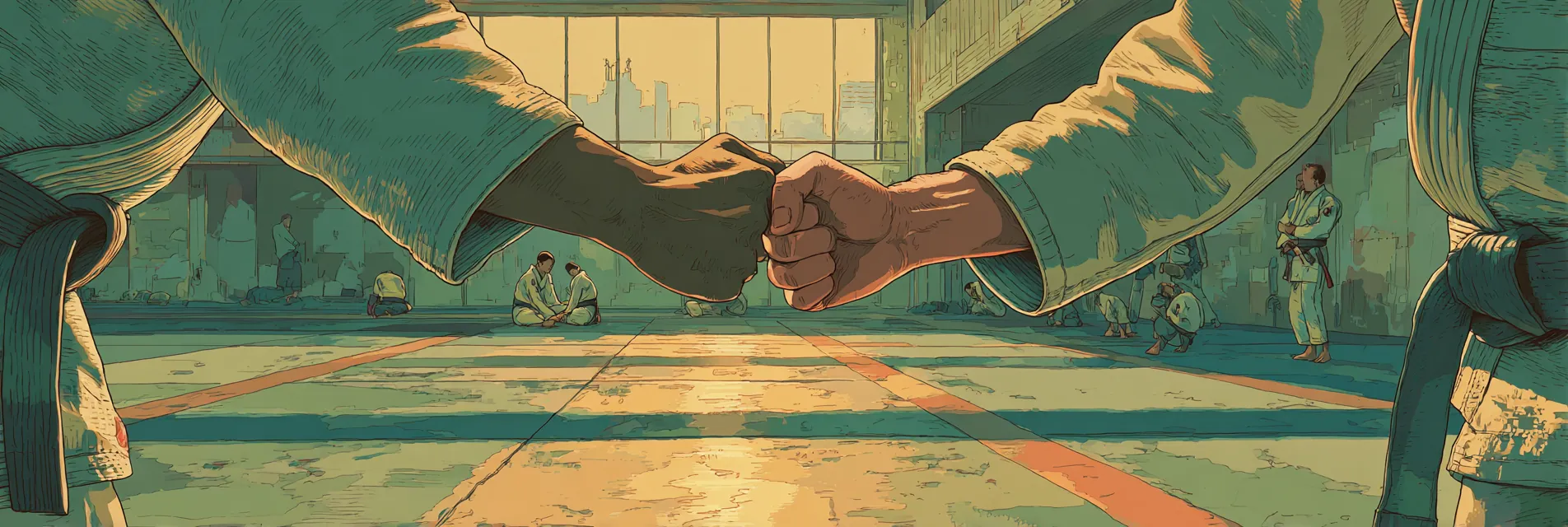
Grapplers fist bump — back on the mats

Recovery has a finish line. Your plan should too.

Your full recovery roadmap

$39

One-time  ·  No subscription

Less than one physio session
Personalized to your injury, grade, and game
Week by week guidance in BJJ language
Adapts as you heal — weekly check-ins keep your plan current
Return to rolling with confidence — built on clear criteria, not guesswork

Instant access. Start today.